Wondering what circular economy in manufacturing looks like beyond the recycling bin? It means designing products so parts and materials stay in use, and the factory floor is where that starts.
This guide sits within the wider topic of sustainable manufacturing, and it focuses on the practical loops a plant can close.
| Item | Value |
|---|---|
| Secondary materials in all materials entering the global economy (2021) | 6.9% |
| Change in that share since 2018 | Down 0.3 percentage points |
| Energy used by remanufactured products vs. new equivalents (German study) | 56% less |
| Emissions and materials reduction in the same study | Up to nearly 90% |
| Price of some remanufactured products vs. an equivalent new one | Approximately 40-80% |
Figures come from the European Circular Economy Stakeholder Platform and a Rematec report on a German study. They can change, so check the sources before you rely on them.
What circular economy in manufacturing actually means
The Ellen MacArthur Foundation describes the circular economy as resting on three principles, all driven by design: eliminate waste and pollution, circulate products and materials at their highest value, and regenerate nature. You can read the wording on the Foundation’s overview page.
For a manufacturer, that turns into a plain question. What happens to this product, and to the scrap made while building it, once it is no longer wanted?
The Foundation says products and materials are kept in circulation through maintenance, reuse, refurbishment, remanufacture, recycling and composting. Recycling is only one item on that list, and usually the last resort.
Why the loop is still mostly open
The Circularity Gap Report 2025 found that, of all materials entering the global economy in 2021, 6.9% were secondary materials. That was a decrease of 0.3 percentage points since 2018, according to the European Circular Economy Stakeholder Platform.
In other words, the world is mostly still running on newly extracted material. The Circularity Gap Report site sets a goal of boosting global circularity to 17% by 2032.
Factories sit at the point where that gap can be narrowed or widened, because they decide which materials go into a product and whether it can be taken apart again.
Start with design: waste is a decision
The Foundation argues that waste is the result of design choices. Its guidance on eliminating waste and pollution says that by shifting our mindset, waste can be treated as a design flaw, and that in a circular economy a specification for any design is that the materials re-enter the economy at the end of their use. The detail is on the Foundation’s eliminate waste and pollution page.
On the factory floor, that tends to mean questions asked before tooling is cut:
- Can the product be opened without destroying it, so parts can be repaired or swapped?
- Are the materials easy to separate, or are they bonded into mixtures nobody can recycle?
- Is there a record of what is inside, so a later owner or recycler can handle it correctly?
- Could the same function be sold as a service, with the maker keeping ownership of the hardware?
Material choice matters too. Bio-based inputs can help or hurt depending on how they are grown and processed, a point covered in the piece on the carbon footprint of bio-based products.
Practical loops inside and around the plant
Once a product is designed for another life, a plant can run several loops at once. Each one keeps value higher than the loop after it.
- Maintenance and repair keep a product working longer, which means fewer new units are needed.
- Reuse and refurbishment send a returned product back to market with limited work.
- Remanufacturing strips a used product down, restores it and sells it with a standard comparable to new.
- Recycling recovers the material when the product itself can no longer be saved.
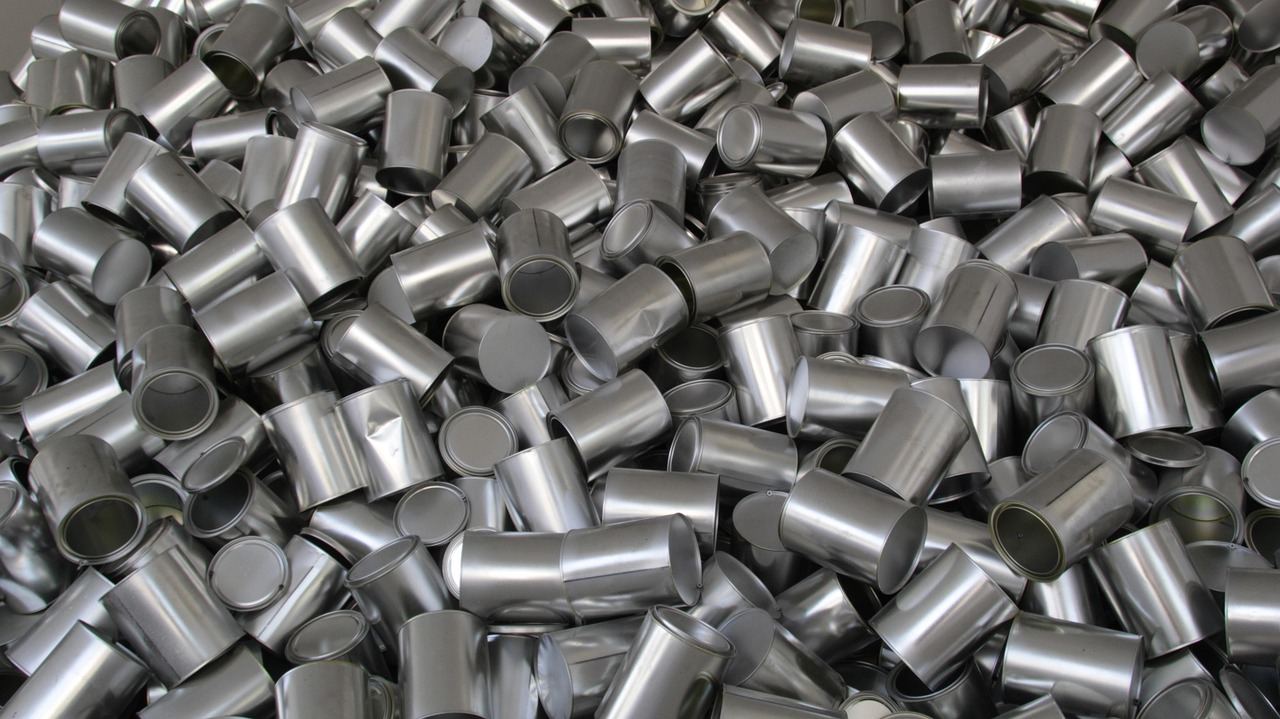
Inside the factory, the same thinking applies to offcuts, rejects and process by-products. The aim is to feed them back into the line, or to find another business that can use them, rather than paying to dispose of them.
What remanufacturing can save
The clearest numbers come from a German study on remanufacturing, summarised by Rematec in October 2017. It was produced by the VDI Zentrum Ressourceneffizienz and used case studies to quantify the savings.
- Remanufacturing made it possible to achieve up to nearly 90% reduction in emissions and materials.
- Remanufactured products used 56% less energy than equivalent newly manufactured ones.
- Some remanufactured products can be offered at approximately 40-80% of the price of an equivalent new product.
The same report notes that material costs in manufacturing can reach more than 40% of costs, often the largest cost factor in a company. It also said the Europe-wide remanufacturing industry was expected to grow by more than 50% by 2030.
These are case-study results from one study, not guarantees. Savings vary by product, and the figures are from 2017, so treat them as an indication rather than a promise for your own line. Cutting energy and emissions in the plant itself is a separate task, covered under industrial decarbonization strategies.
Rules that are pushing manufacturers toward circular design
In Europe, the main legal driver is the Ecodesign for Sustainable Products Regulation. As of the European Commission’s page on the regulation, it has been in force since 18 July 2024, and it aims to make sustainability, energy efficiency, durability and circularity the standard for products placed on the EU market. The Commission’s page sets out the details.
Three parts matter most on the factory floor:
- Design requirements can cover a product’s lifetime, reusability, upgradability and reparability.
- The Digital Product Passport is described as a digital identity card for products, components and materials, which can hold information on materials and their origins, repair activities and recycling capabilities.
- Unsold goods rules introduce a ban on the destruction of unsold textiles and footwear, and require large companies to disclose information on unsold consumer products they discard.
Which product groups face which requirements depends on later measures, so check the Commission’s page for the current position.
Where to begin if you run a plant
You do not need to redesign everything at once. A sensible first pass is to map what leaves your site as waste, ask which of those streams could re-enter your line or a neighbour’s, and pick one product family to review for repair and take-back.
From there, remanufacturing pilots, supplier take-back terms and better material records build on each other. Each step is small, but together they move a plant from a take-make-waste pattern toward a loop.
Frequently asked questions
Is recycling enough to make a factory circular?
Show answer
No. The Ellen MacArthur Foundation lists maintenance, reuse, refurbishment and remanufacture alongside recycling, and the first of those keep more of a product’s value in use.
What is the difference between refurbishing and remanufacturing?
Show answer
Refurbishing returns a used product to market with limited work. Remanufacturing restores it more fully, and the German study above found it can use 56% less energy than making an equivalent new product.
Does circular manufacturing cost more?
Show answer
Not necessarily. The same study reports that some remanufactured products can be offered at approximately 40-80% of the price of an equivalent new product, and it notes material costs can be the largest cost factor in a company. Your own results will depend on the product.
What is a Digital Product Passport?
Show answer
The European Commission describes it as a digital identity card for products, components and materials. It can store information on technical performance, materials and their origins, repair activities and recycling capabilities.