Wondering which types of biomass feedstock exist? You’ll find broad groups: dedicated energy crops, crop residues, forestry residues, algae, and wastes. Each is biomass used directly as fuel or converted into other products.
Feedstocks are the raw-material side of the question of what is the bioeconomy, and that page covers the big picture.
| Item | Value |
|---|---|
| Herbaceous energy crops: time to full productivity | 2 to 3 years |
| Short-rotation woody crops: harvest window after planting | 5 to 8 years |
| Biomass potential for bioenergy by 2030 (2016 Billion-Ton Report) | 1 billion tons |
| First cellulosic ethanol made from wood sold | 2014 |
The figures come from the U.S. Department of Energy pages Biomass Resources and There Is a Cornucopia of Feedstock Options for Making Biofuels. Figures like these can change, so check the source before you rely on them.
What counts as a biomass feedstock?
The U.S. Department of Energy (DOE) uses the word feedstock for biomass resources that are used either directly as a fuel or converted to another form or energy product. In other words, a feedstock is the raw material that goes into a fuel, a chemical or a product.
DOE’s list of biomass feedstocks includes dedicated energy crops, agricultural crop residues, forestry residues, algae, wood processing residues, municipal waste, and wet waste. The sections below walk through the main groups in turn.
Dedicated energy crops
Dedicated energy crops are non-food crops that can be grown on marginal land, meaning land not suitable for traditional crops like corn and soybeans. They are grown specifically to provide biomass, and they fall into two general categories: herbaceous and woody.
Herbaceous energy crops
These are perennial grasses, meaning plants that live for more than 2 years. They are harvested annually after taking 2 to 3 years to reach full productivity.
- Switchgrass
- Miscanthus
- Bamboo
- Sweet sorghum
- Tall fescue, kochia and wheatgrass
DOE’s 2016 blog post describes switchgrass and miscanthus as tall, fast-growing grasses that can thrive in places many crops cannot, which makes them beneficial to soil health.
Short-rotation woody crops
Short-rotation woody crops are fast-growing hardwood trees that are harvested within 5 to 8 years of planting. Examples include hybrid poplar, hybrid willow, silver maple, eastern cottonwood, green ash, black walnut, sweetgum, and sycamore.
DOE says many of these species can help improve water and soil quality, improve wildlife habitat relative to annual crops, diversify sources of income, and improve overall farm productivity.
Crop and forestry residues
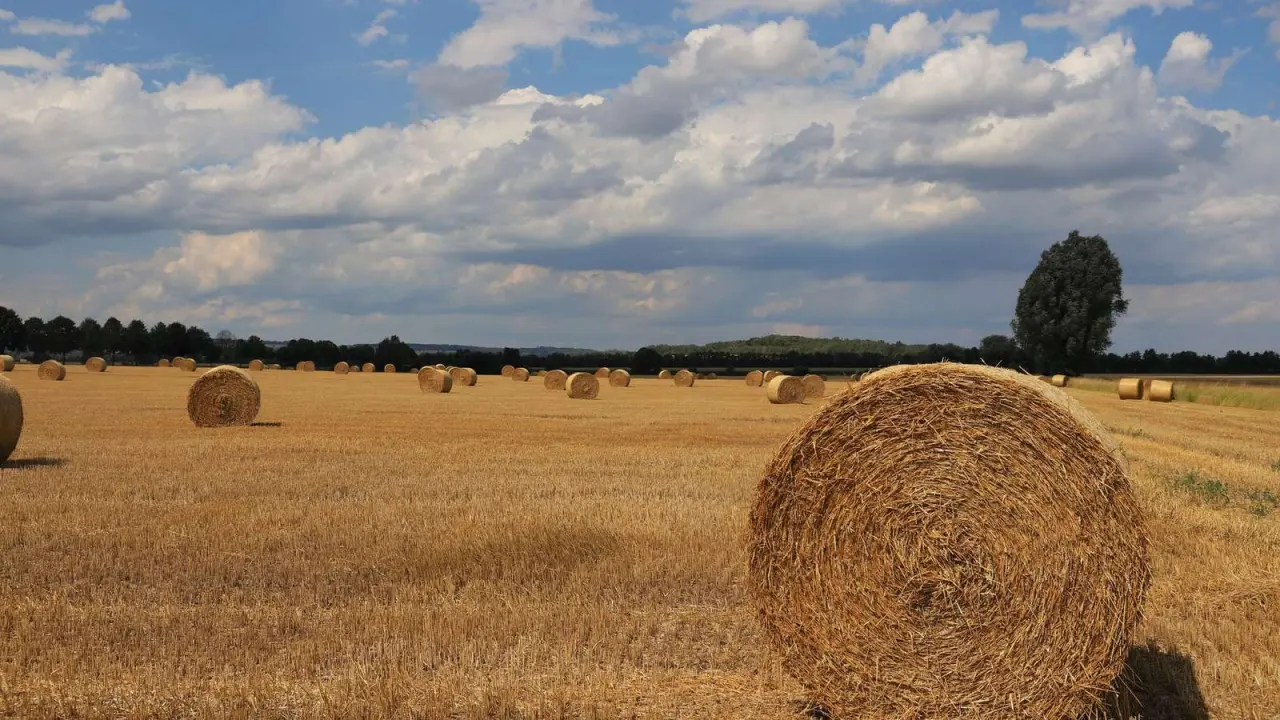
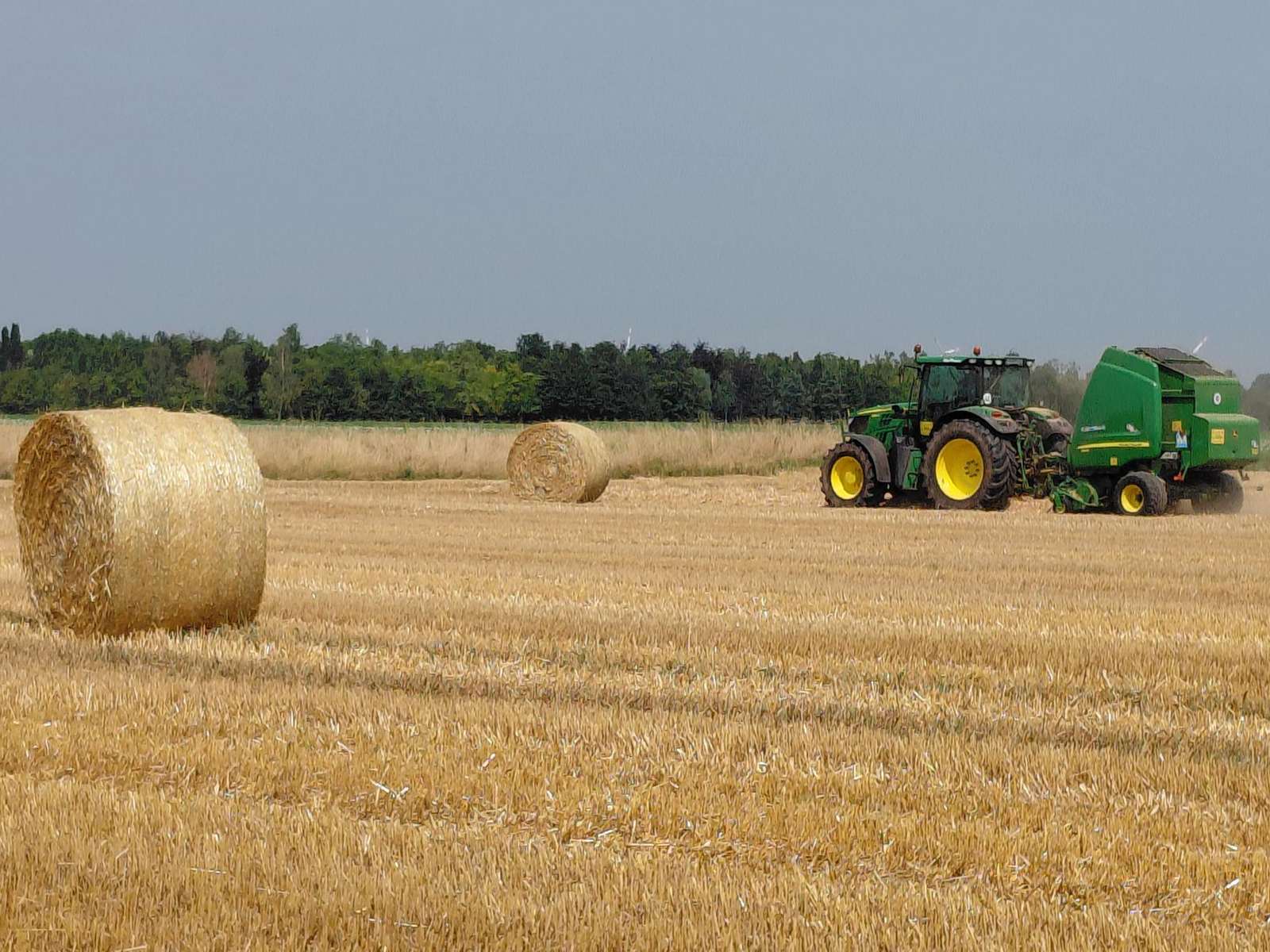
Agricultural crop residues are the stalks and leaves left after a harvest. DOE describes them as abundant, diverse, and widely distributed across the United States.
- Corn stover (stalks, leaves, husks, and cobs)
- Wheat straw, oat straw and barley straw
- Sorghum stubble
- Rice straw
Selling residues to a local biorefinery can give farmers additional income. Some corn stover must be left on the ground after a corn harvest for healthy soil regeneration, according to DOE’s 2016 blog post, so not all of it is available.
Forestry residues
Forest biomass falls into one of two categories: forest residues left after logging timber, or whole-tree biomass harvested explicitly for biomass. Residues include limbs, tops, and culled trees and tree components that would be otherwise unmerchantable.
DOE says this woody debris can be collected for bioenergy while leaving enough behind to provide habitat and maintain proper nutrient and hydrologic features. It also says harvesting excessive woody biomass can reduce the risk of fire and pests and aid in forest restoration. The same blog post adds that wood wastes from the logging industry, pulp and paper industry, and landfills can be turned into biofuel.
Algae and wet wastes
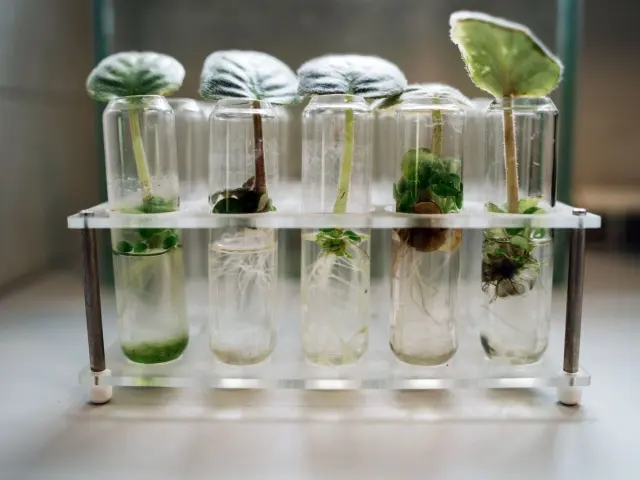
Algae are a diverse group of highly productive organisms that include microalgae, macroalgae (seaweed), and cyanobacteria. Many use sunlight and nutrients to create biomass containing lipids, proteins, and carbohydrates, which can be converted and upgraded to a variety of biofuels and products.
Depending on the strain, algae can grow in fresh, saline, or brackish water from surface water sources, groundwater, or seawater. DOE’s 2016 blog post notes that scientists are working on ways to lower the cost of algal biofuel by increasing algae production and improving cultivation and harvesting.
The wet waste group sits alongside municipal waste on DOE’s list. Its examples include industrial wastes, sorted municipal solid waste (MSW), urban wood waste, and food waste.
Using waste this way echoes the reuse thinking in the debate over bio-based economy vs circular economy.
Why the choice of feedstock matters
DOE’s 2016 blog post says non-food biomass such as forestry residues, switchgrass, and corn stalks can be used to make biofuels and bioproducts. It adds that these can create more economic opportunities, increase energy independence, and reduce greenhouse gas emissions.
Supply looks large on paper. The 2016 Billion-Ton Report estimated that the United States could produce 1 billion tons of biomass for bioenergy by 2030 while still having sufficient land to meet food, feed, and fiber needs.
Scale-up is a separate matter. In that November 2016 post, DOE said that biofuels and consumer products made from biomass were not commercially widespread at that time, and its research aimed to lower their costs. Check newer DOE material for the present picture.
Feedstock can end up as more than fuel. For the product side, see what are biomaterials.
Frequently asked questions
What is a biomass feedstock?
Show answer
It is a biomass resource that is used either directly as a fuel or converted to another form or energy product, as DOE describes it. Crops, residues, algae and wastes can all qualify.
Do energy crops compete with food crops?
Show answer
Not by design. Energy crops are non-food plants meant for marginal land rather than prime cropland, and residues such as stalks and straw come from crops already being grown.
How long do energy crops take to mature?
Show answer
Herbaceous energy crops such as switchgrass take 2 to 3 years to reach full productivity. Short-rotation woody crops are harvested within 5 to 8 years of planting.
Does using forest residues harm forests?
Show answer
Not necessarily. The approach described is to collect only part of the debris and leave the rest in the woods for habitat and nutrient balance. Local conditions still matter, so treat that as a general position rather than a rule for every forest.
Are biofuels from these feedstocks widely sold?
Show answer
In a November 2016 blog post, DOE said biofuels and consumer products made from biomass were not commercially widespread. That statement is dated, so look for newer data before drawing conclusions.