If you are trying to make sense of renewable energy directive biofuels, start with Annex IX. It lists the sustainable feedstocks, and a draft update in a March 2024 industry statement proposed adding more.
This guide is part of the wider topic of the european bioeconomy strategy, and it looks at where biofuel rules fit inside it.
| Item | Value |
|---|---|
| Legal act | Renewable Energy Directive (EU) 2018/2001 |
| Feedstock list being updated | Annex IX, Part A and Part B |
| Combined transport target | 5.5% of transport energy by 2030 (advanced biofuels and RFNBOs) |
| Cap on Annex IX Part B feedstocks | 1.7% (Article 27.1 (c) (iv)) |
| SAF mandate under ReFuelEU Aviation | Applies from 2025 onwards |
| Date of the statement used here | 25 March 2024 |
These figures come from a FuelsEurope statement published on 25 March 2024. Rules, caps and targets can change, so check the source and the official EU texts before you rely on them.
What the directive means for biofuels
The Renewable Energy Directive is the EU law (EU) 2018/2001, often shortened to RED. One of its working parts is Annex IX, a list of sustainable biofuel and biogas feedstocks.
As of the FuelsEurope statement of 25 March 2024, the Commission had proposed a draft Delegated Directive to update that list. FuelsEurope is the European fuel manufacturers’ association, so its statement is an industry view, not an official position.
The list matters because it shapes which raw materials fuel producers can plan around. A feedstock that is added or moved changes what investors are willing to build.
Annex IX Part A and Part B
The draft proposed adding new feedstocks to both Part A and Part B of Annex IX. FuelsEurope welcomed both sets of additions in its March 2024 statement.
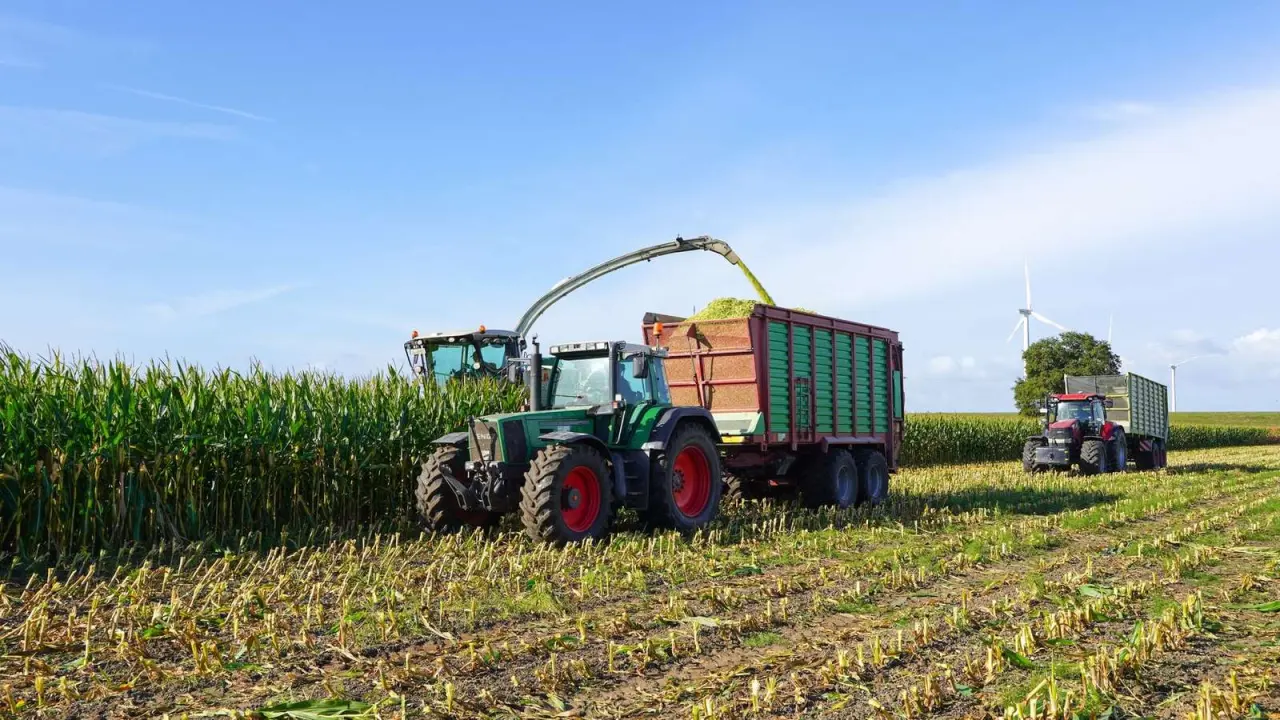
For Part A, the proposed additions named in the statement were:
- intermediate crops;
- crops grown on severely degraded land.
For Part B, FuelsEurope described Annex IX B biofuels and biogas as critical for cost-efficient transport decarbonisation. It also pointed out that adding feedstocks there would need a higher cap than the existing 1.7%.
How the 5.5% target and the aviation mandate connect
The statement refers to a combined EU target of 5.5% of transport energy coming from advanced biofuels and renewable fuels of non-biological origin (RFNBOs) in 2030. FuelsEurope said the proposed Part A additions have significant potential to help reach it.
There is also a link to flying. Adding intermediate crops and crops grown on severely degraded land to Part A would add them to the eligible raw materials for sustainable aviation fuels (SAF) defined in ReFuelEU Aviation.
FuelsEurope said this would give the market a reason to invest in those feedstocks. It tied that to the SAF mandate that applies to fuel suppliers, Union airports and aircraft operators from 2025 onwards.
How can the 1.7% cap change?
Part B feedstocks sit under a 1.7% cap set out in Article 27.1 (c) (iv) of the directive. According to FuelsEurope, adding new Part B feedstocks requires raising that cap to unlock their potential.
The statement describes two routes, in this order:
- A Member State can request a local increase of the cap under Article 27.2.
- The Commission can adopt a delegated act under Articles 27.3 and 35 to raise the cap consistently at Union level.
FuelsEurope encouraged the Commission to consider the second route. That is the association’s request, and the statement does not say whether the Commission acted on it.
Why investors want long-term certainty
The statement’s strongest theme is certainty. FuelsEurope’s Director General, Liana Gouta, said the timeline over which industry invests and produces fuels is measured in decades.
On that basis, she argued that long-term clarity on how feedstocks are classified is a key enabler for investment in biofuels and biogas at scale. She linked this to EU climate neutrality ambitions, energy security and hard-to-abate transport sectors.
Treat this as one stakeholder’s argument. Other groups, such as farmers, environmental organisations and national governments, may weigh feedstock choices differently, and this source does not cover their views.
Where national and farm policy fit
Biofuel rules are set at EU level, but the way countries pursue them differs. The bioeconomy strategies by country europe page shows how national plans approach the wider picture.
Feedstocks such as intermediate crops and crops grown on degraded land are also an agricultural question. The common agricultural policy bioeconomy guide covers the farm-policy side of that link.
Frequently asked questions
What is Annex IX of the Renewable Energy Directive?
Show answer
It is the list of sustainable biofuel and biogas feedstocks in Directive (EU) 2018/2001, divided into Part A and Part B. The list is the one that a draft update, welcomed by FuelsEurope in March 2024, would extend.
What is the 5.5% figure in the statement?
Show answer
It is the combined EU target of using 5.5% of the energy consumed in transport as advanced biofuels and RFNBOs in 2030. FuelsEurope cites it as the goal the proposed Part A additions could help meet.
Can the 1.7% cap on Part B feedstocks be raised?
Show answer
According to the March 2024 statement, yes, by two routes. A Member State can request a local increase under Article 27.2, or the Commission can raise the cap at Union level through a delegated act under Articles 27.3 and 35.
Does the statement say the draft update became law?
Show answer
No. It was published on 25 March 2024 and describes a draft. Check the EU’s official publications for what happened afterwards.