Wondering how bioeconomy and climate change connect? The short answer: bio-based fuels and materials can cut emissions, but the gains depend on how feedstock is grown and what land it uses.
If the term is new to you, start with our explainer on what is the bioeconomy before reading on.
| Item | Value |
|---|---|
| Emissions saved if all plastics were replaced with bio-based ones (2023 study) | 369 megatonnes, around 1% of global emissions |
| Net emissions from agriculture, forestry and other land use, 2010 to 2019 | Around 5 gigatonnes per year |
| Share of 2050 emissions reduction targets that land-use sectors could provide | 20-30% |
| Carbon sequestered by wild, semi-wild and cultivated habitats | Around 7.2 gigatonnes per year |
| Modern bioenergy produced worldwide in 2021 | Around 15 extrajoules |
| Possible bioenergy from dedicated crops by 2050 | 50-250 extrajoules per year |
These figures come from two World Bio Market Insights features, one on biofuels and biomaterials and one on agriculture and food, published in April 2023. Estimates change as new studies appear, so check the sources before you rely on them.
How can biofuels and biomaterials cut emissions?
The bioeconomy includes any economic activity that uses biological materials as feedstock or processing tools. That covers synthetic biology and forestry alike, according to the April 2023 feature from World Bio Market Insights.
The same feature points to three main routes for cutting emissions:
- Biofuels reduce petroleum and natural gas use, especially in aviation and shipping, where battery-stored renewable electricity is not an option.
- Bio-based materials can displace petrochemical products, and bio-based composites are starting to replace mined components in wind turbines, battery anodes and car parts.
- Wood in buildings can reduce emissions from cement and steel production, while timber forests store carbon.
The feature also reports that every carbon mitigation scenario modelled by the IPCC gives biofuels some role. That describes the IPCC material as summarised in April 2023.
The size of the prize for plastics is real but modest. A 2023 study estimated that replacing all plastics with bio-based ones could save 369 megatonnes of emissions, around 1% of the global total. If you want to see what these products look like in practice, the guide to bio-based chemicals examples walks through them.
Bioenergy has a long way to go. The International Energy Agency says the world produced around 15 extrajoules of modern bioenergy in 2021, which excludes traditional fuels such as burning wood. The IPCC figures quoted in the feature suggest 5-50 extrajoules a year from forestry and food-agriculture waste by 2050, plus 50-250 extrajoules from crops grown for biofuels.
Why land use decides the climate result
All biomanufacturing feedstock traces back to agriculture, forestry and other land use, known together as AFOLU. That is why the carbon footprint of a bio-based product depends on how its feedstock is produced.
Between 2010 and 2019, these sectors contributed around 5 gigatonnes of net carbon emissions per year. Yet the IPCC sees them as one of the most promising areas for cuts, potentially providing 20-30% of the 2050 reduction targets needed to limit warming to 2 degrees.
Habitat management is the biggest lever. Wild, semi-wild and cultivated habitats sequester an average of around 7.2 gigatonnes of carbon emissions a year, so decisions about how land is used can matter as much as which fuel goes in a tank.
The supply relationship runs both ways. Agriculture and forestry deliver feedstock to manufacturers, while biotech firms develop new solutions for crop production and environmental management.
Where the bioeconomy can backfire
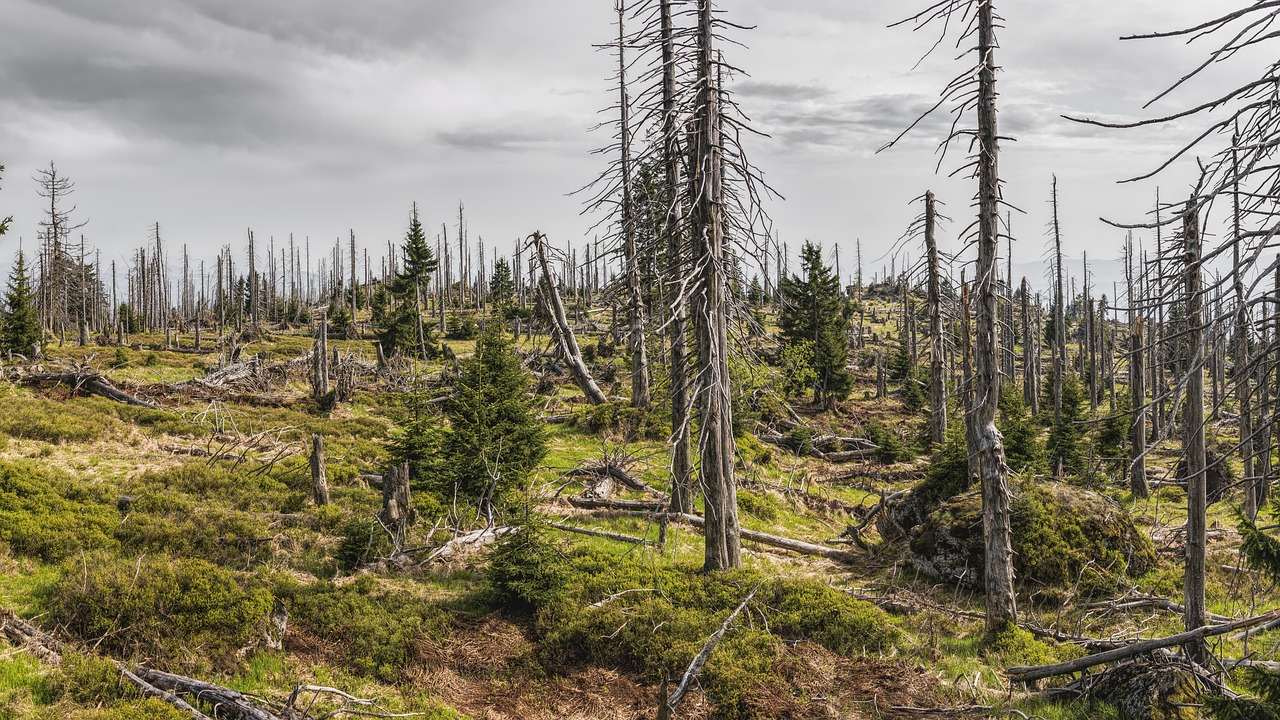
Growing cheap, abundant feedstock for biofuels means more intensive cultivation, more land under cultivation, or both. Farmland tends to store less carbon than the natural habitats it replaces, which can offset the savings from switching away from fossil fuels.
The IPCC has put it this way: “while increasing and diversified use of biomass can reduce the need for fossil fuels and other GHG-intensive products, unfavourable GHG balances may limit the [overall] mitigation value”.
The April 2023 feature lists several reasons the trade-off is hard to manage:
- Biofuel mandates are commonplace, but few reward sourcing or growing sustainable feedstocks.
- Measuring the carbon stored by crop soil, to certify sustainable farms, is costly.
- Fuels made from organic waste can have neutral or even negative carbon footprints, but they are less technologically mature than crop-based fuels.
Policy has not settled the question. The EU voted in 2022 to reject outright bans on crop-based biofuels, according to the same feature. Scaling biofuels serves climate goals, in its words, only up to a point.
Agriculture and food: soil, insects and shellfish
Between 2023 and 2050, the world must avoid or absorb 24.9 gigatonnes of carbon to have a chance of keeping warming within 2 degrees by 2100. In theory, agriculture could lower its emissions by between 1.8 and 4.1 gigatonnes of carbon dioxide a year.
The second feature describes several bio-based approaches. The companies below are named only as examples reported there, not as recommendations.
- Soil inputs: in farm-based trials for barley, Loam’s CarbonBuilder seed coating increased carbon units stored between three and six times per hectare, against zero and two under other land management practices.
- Microbial fertiliser: Alkama is developing a microbial replacement for chemical fertilisers aimed at UK wheat farmers. The feature says it will lower yields compared with chemical fertiliser, but farmers would save on input costs.
- Insect feed: insects convert organic waste into protein-rich feed that could replace soy, which is often grown at the expense of carbon-storing forests.
The feature reports wide scientific consensus on insect feed’s carbon-reducing potential. It also notes that this route avoids the need for immature technologies such as carbon capture.
Shellfish are a more surprising case. One study reckons that expanding bivalve farming within ecological limits could store 1.19 gigatonnes of carbon per year, equal to 17.63% of total 2020 emissions. In China, around 10 megatonnes of shellfish waste per year is landfilled, which hints at how large a circular sector could be.
Start-ups are already using that waste. London-based Shellworks makes cosmetics packaging from polymers derived from bivalve waste, and French company Bysco, founded in 2021, uses a mussel-farming byproduct to make an alternative to fibreglass. If the loop idea sounds familiar, the comparison of bio-based economy vs circular economy explains where the two concepts overlap.
What a realistic answer looks like
The evidence supports a cautious yes. The bioeconomy can help, but it is a set of tools, not a single fix, and the sources show that a bio-based label says little about the carbon result.
When you read a claim about a bio-based product, these questions help you judge it:
- Where did the feedstock come from: waste, forestry residues or dedicated crops?
- Did growing it replace a natural habitat that stored more carbon?
- Is the saving measured, or only assumed?
- What fossil product does it actually displace?
Waste-based and land-efficient routes tend to look strongest in the sources, while crop-based fuels need the most scrutiny. Those judgements reflect the April 2023 features, so look for newer data before drawing firm conclusions.
Frequently asked questions
Can the bioeconomy stop climate change on its own?
Show answer
No. Even replacing all plastics with bio-based ones could save around 1% of global emissions, according to the 2023 study cited by World Bio Market Insights. It works best as one of several mitigation strategies.
Are biofuels always better for the climate than fossil fuels?
Show answer
Not always. If growing the crops replaces natural habitats that stored more carbon, the savings can be offset, and the IPCC warns that unfavourable greenhouse gas balances may limit the mitigation value.
What does AFOLU mean?
Show answer
It stands for agriculture, forestry and other land use. These sectors supply all biomanufacturing feedstock, which is why they matter so much for the bioeconomy’s climate impact.
Which bio-based options look most promising for agriculture?
Show answer
The April 2023 feature highlights bio-based farming inputs, insect-based feed and bivalve biomaterials. It notes these are among the most cost-effective strategies with the fewest ecological drawbacks, though they have historically drawn less investment than biofuels.